Supreme Court Ruling on Aravalli Definition Sparks Environmental Concerns
Editor: Chandan M
Published on: Dec. 20, 2025, 12:34 p.m.
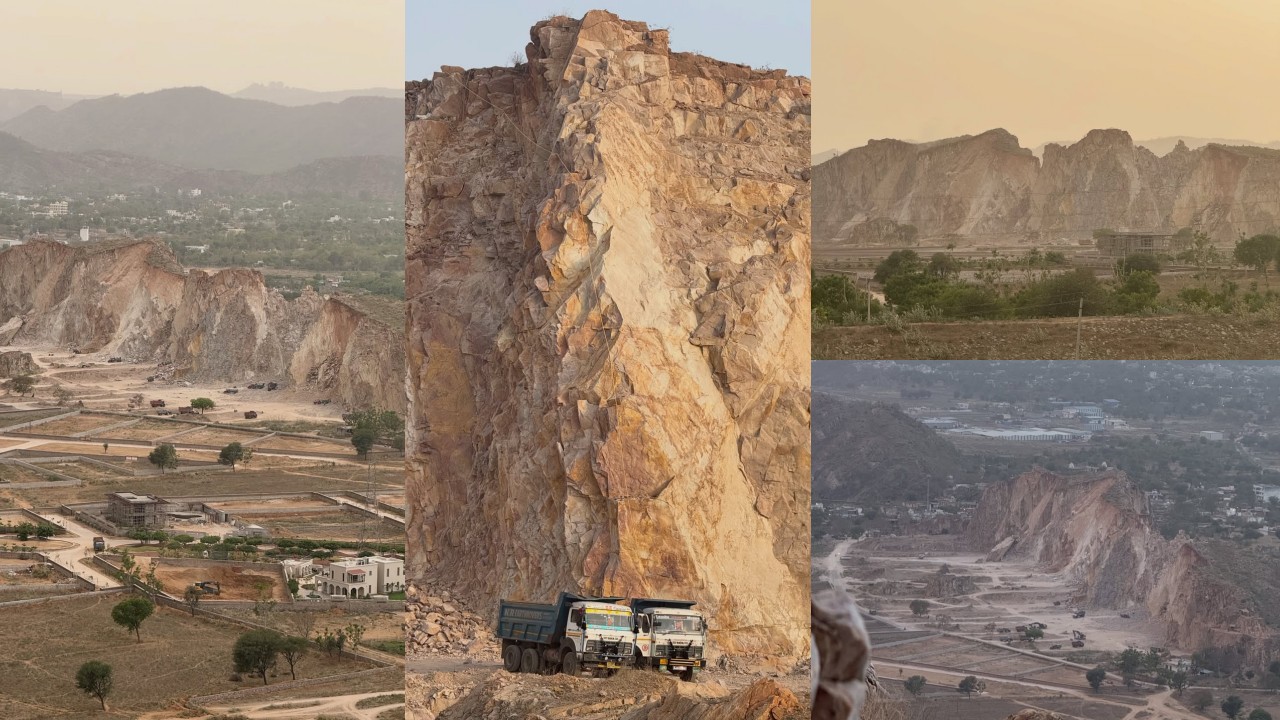
Jaipur: A recent Supreme Court decision redefining the legal classification of the Aravalli mountain range has triggered widespread concern among environmentalists, political leaders, and civil society across Rajasthan and neighbouring states. The apex court accepted a new elevation-based definition that excludes landforms below 100 metres in height from being legally recognised as part of the Aravalli range. Critics warn that this change could leave large portions of the ancient mountain system—spanning Rajasthan, Haryana, Delhi, and Gujarat—outside existing environmental protections. Environmental experts caution that the revised definition may open the door to increased mining and construction activities in previously safeguarded areas, potentially causing irreversible ecological damage. They highlight the Aravalli range’s critical role in preventing desertification, recharging groundwater, regulating local climate, and supporting biodiversity. Smaller hills and hillocks, now excluded under the new criteria, are considered vital natural barriers against sandstorms and extreme weather. Political opposition has also emerged in Rajasthan. Former Chief Minister Ashok Gehlot described the ruling as an “invitation to ecological destruction,” warning that nearly 90 percent of the Aravalli range falls below the 100-metre threshold and could now be vulnerable to exploitation. The decision has sparked public outcry and online campaigns such as #SaveAravalli, with environmental groups, residents, and youth activists demanding stronger protections and urging a reconsideration of the ruling. Proposed demonstrations and awareness marches in cities like Jaipur reflect growing anxiety over the future of one of India’s oldest mountain ecosystems. The Aravalli range plays a crucial role in North India’s environmental stability, water security, and air quality, making the controversy a significant ecological and political issue with long-term implications.